
Medical Disclaimer: This article is for informational purposes only. Always check with your specific hospital about what they provide and what their policies are — every hospital in India is different.
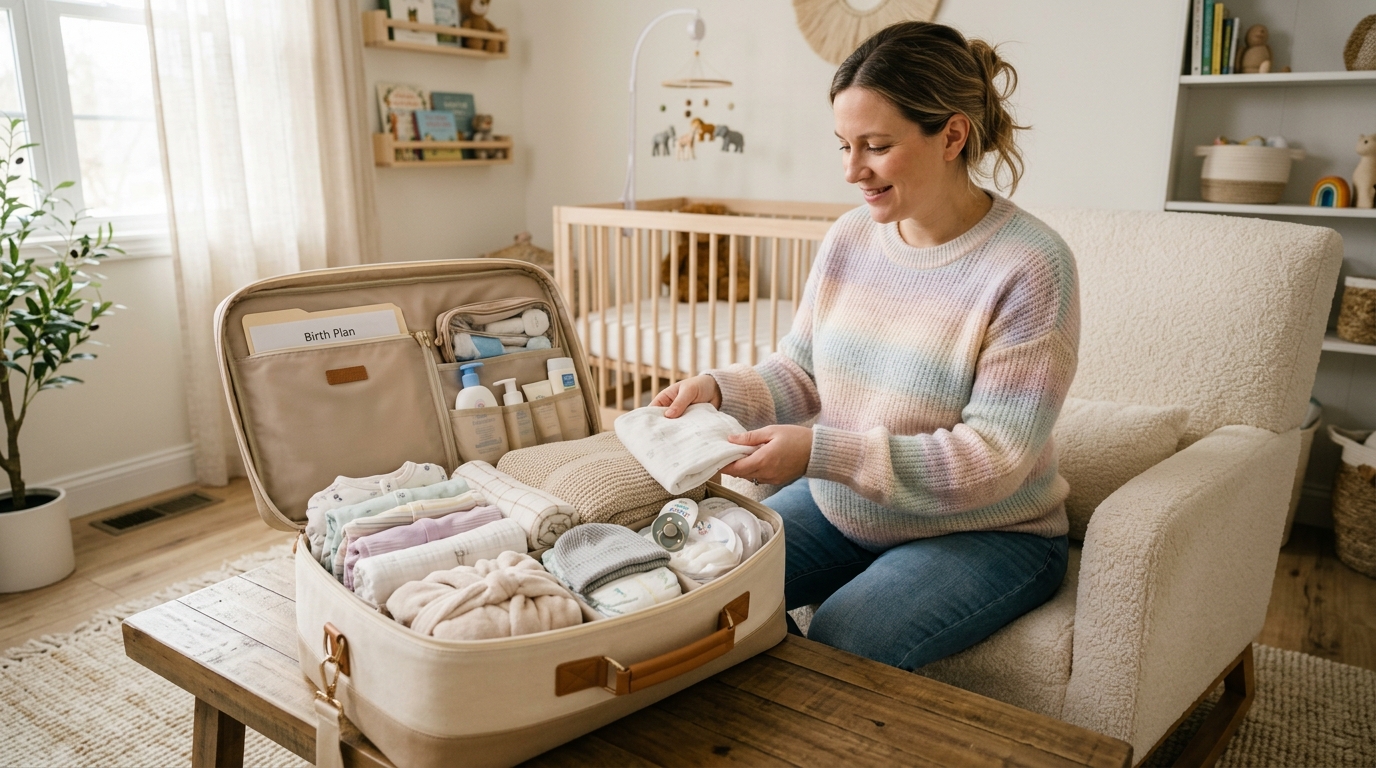
A hospital bag checklist india edition sounds simple until you’re the one packing it under pregnancy brain. I packed my hospital bag at 37 weeks. I was very organised about it. I had a list. I had checked things off. I had a separate small bag for documents, a medium bag for my things, and a larger bag for baby items.
What I forgot: my phone charger. My own pillow (the hospital ones were the consistency of a deflated football). The specific nipple cream that actually worked for me. And the going-home outfit for the baby — which I had bought, washed, and left sitting on the changing table at home.
My husband made two emergency trips to the house in 24 hours. The nurses were very kind about it.
So this checklist comes from experience — mine, and from speaking to dozens of other mothers. It’s the real version. Not the one that suggests a Bluetooth speaker and a diffuser. The one that tells you what you’ll actually use, what most Indian hospitals already provide, and what happens if you forget something.
First — when should you pack?
Pack by 36 weeks. Not 37, not 38 — 36.
Babies do not always wait. First labours are often long and give plenty of warning. But second and third labours can move fast. And premature labour can happen to anyone without warning.
The bag sitting by the door at 36 weeks is one of the most genuinely useful things you can do in late pregnancy. If you go into labour at 2 AM, you want to grab it and go — not stand in the bedroom at 2 AM trying to remember where you put the maternity pads.
According to the World Health Organization’s recommendations on antenatal care, preparation for birth — including having necessary items ready — is a recommended component of birth preparedness that contributes to better outcomes. The Indian Academy of Pediatrics guidance on perinatal care similarly emphasises advance preparation as reducing delays in care-seeking when labor begins.
Pack at 36 weeks. Keep the bag by the door. Tell your partner where it is.
What most Indian hospitals already provide — so you don’t overpack
This is the section that would have helped me most. Most articles give you a list of 60 items without mentioning that your hospital will probably provide half of them.
Most Indian government hospitals and many private hospitals provide:
- Diapers for the newborn during the hospital stay
- Basic baby wipes
- Disposable mesh underwear or basic postpartum pads
- Receiving blanket for the baby immediately after birth
- Basic meals for the mother
Most Indian hospitals do NOT reliably provide:
- Your preferred brand of maternity pads
- Comfortable nursing bras
- Nipple cream
- Your own toiletries
- Comfortable clothes for recovery
- Good quality diapers (the hospital ones are often basic)
- Baby clothes for after the first day
Check with your specific hospital beforehand. Call them, ask what they provide. This one call will save you significant overpacking.
The checklist — organised by who it’s for
Documents — Pack These First, They Go on Top
This is the only category where you should have absolutely everything and not skip a single item. Hospitals in India will not admit you without the right paperwork, and searching for documents while timing contractions is a specific kind of terrible.
| Document | Notes |
|---|---|
| Aadhaar card (original + photocopy) | Required at most Indian hospitals |
| Spouse/partner’s Aadhaar | Often required too |
| ANC (antenatal) booklet / pregnancy records | All scan reports, blood tests, doctor notes |
| Health insurance card and policy documents | Know your hospital’s cashless process beforehand |
| Doctor’s contact number | Written down, not just in your phone |
| Hospital registration papers | If pre-registered |
| Birth plan (if you have one) | Optional but useful |
Practical tip: Put all documents in a clear ziplock bag or a dedicated document folder that goes into the bag first and comes out first. In early labour you may be flustered — you want to hand over a folder, not search through a bag.
For Mum — During Labour
Labour is not the time to be worried about what you’re wearing or whether you have what you need. These items make the hours more manageable.
Clothing:
- Comfortable, loose nightgown or hospital gown (bring your own if you prefer — hospital gowns are functional but not always the nicest)
- Warm socks — hospital floors are cold and feet get cold during labour regardless of the weather outside
- Hair ties or clips — you will want your hair off your face
Comfort items:
- Phone charger — the most forgotten item by a significant margin
- Power bank — hospitals have limited plugs and yours may not be near the bed
- Earphones — for music, podcasts, breathing exercises
- Lip balm — hospitals are dry and you’ll be breathing through your mouth a lot
- Snacks for labour — light, easily digestible things. Crackers, nuts, dates, glucose biscuits. You may not want to eat but having the option matters
- Water bottle with straw — easier to drink during contractions than lifting a glass
- Birth plan if you have one — printed, not just on your phone
For back labour and pain management:
- Tens machine if you’re using one
- Heat pack — microwavable or self-heating
- Massage oil or lotion for the birth partner to use
🛒 Labour bag essentials:
For Mum — Recovery (Days After Birth)
This is the section most first-time mothers underpack. You are focused on the birth. You have not fully imagined the two or three days of recovery that follow.
Clothing for recovery:
- 2-3 loose, comfortable nightgowns or pyjama sets — front-opening or button-down if breastfeeding
- Comfortable, non-slip slippers or socks with grip — you’ll be walking to the bathroom frequently
- Loose going-home outfit — your bump will still be significant. Maternity clothes, not pre-pregnancy clothes
- Comfortable nursing bra (2) — underwire is uncomfortable post-birth, especially if milk comes in while you’re still in hospital
Postpartum care — this is what hospitals often don’t provide adequately:
- Maternity pads (heavy duty) — at least 2 packs. Postpartum bleeding is heavier than a period, particularly in the first 24-48 hours
- Disposable postpartum underwear — or large, comfortable cotton underwear you don’t mind if they’re stained
- Nipple cream — lanolin-based. Get this before you go. The first days of breastfeeding are often painful and nipple cream makes a significant difference
- Breast pads — for when milk comes in (usually day 2-4)
- Nursing pillow — hospital pillows are not shaped for breastfeeding support
- Perineal spray or ice packs — if vaginal delivery. The hospital may provide basic care but having your own is more comfortable
Toiletries:
- Shampoo, conditioner, body wash (travel sizes)
- Face wash and moisturiser
- Deodorant
- Toothbrush and toothpaste
- Hairbrush
- Any skincare you use — having your own routine in a hospital makes you feel more like a person
🛒 Recovery essentials:
For Baby
Babies need very little in those first days. What they need most — warmth, feeding, skin-to-skin contact — doesn’t come from a bag.
Clothing:
- 4-5 soft, easy-to-put-on onesies or jhablas — choose front-opening or envelope neck for easy dressing
- 2-3 pairs of socks or booties — newborns lose heat through their feet quickly
- 2-3 soft caps — same reason
- Going-home outfit — weather appropriate. Something with easy access for the car seat straps
Feeding:
- If breastfeeding: nursing bra, breast pads, nipple cream (already in mum’s section)
- If formula feeding or supplementing: your preferred formula, sterilised bottles, bottle brush
Nappies and hygiene:
- 2 packs of newborn nappies (size NB or 0) — hospital nappies are often basic; having your preferred brand matters
- Pack of good quality baby wipes — unscented, alcohol-free
- Nappy rash cream — zinc oxide-based
Comfort:
- 1-2 muslin swaddles — breathable, multi-use, can be used as a cover, swaddle, or burp cloth
- One small soft toy or comforter if you have something you want the baby to have from the start (optional)
🛒 Baby essentials:
For the Birth Partner
The birth partner is often completely forgotten in hospital bag guides. They’re going to be there for potentially 24+ hours, possibly longer.
- Change of clothes (minimum one full set)
- Toiletries — toothbrush, deodorant, face wash
- Snacks — significant quantities. They won’t want to leave you to find food
- Phone charger
- Cash — for parking, pharmacy runs, food
- A book, downloaded films, or something to do during early labour when your job is mainly “be present but not annoying”
- Comfortable shoes — they’ll be on their feet a lot
What to leave at home
Every hospital bag guide tells you what to pack. Almost none of them tell you what not to pack. Here’s the honest list of things that sound logical but either the hospital provides or you won’t use:
Leave at home:
- Bluetooth speaker — the hospital room has other patients in or near it. Nobody wants your playlist.
- Aromatherapy diffuser — most hospitals don’t allow these
- Fancy pillow — bring a pillowcase from home over a regular pillow if you want the comfort of home without packing a whole pillow
- Half your wardrobe — you’ll wear the same two nightgowns on rotation. Pack less than you think.
- Full-size toiletries — travel sizes are enough for a 2-3 day stay
- Lots of cash — most hospitals have card facilities now. Bring some but not large amounts
Packing strategy — one bag or two?
For an Indian hospital stay of 1-3 days for vaginal birth or 3-5 days for C-section, most women find one medium-large bag works well, organised internally.
Organisation inside the bag:
Pouch 1 — Documents. On top, accessible immediately.
Pouch 2 — Labour items. Snacks, charger, tens machine, heat pack, water bottle. These you want before the birth.
Pouch 3 — Recovery items. Maternity pads, nursing bra, nipple cream, toiletries. These you want after the birth.
Pouch 4 — Baby items. Nappies, wipes, clothes. Separately organised so whoever needs to find them can.
Label the pouches if it helps. Tell your birth partner what’s in each one so they can find things when you’re otherwise occupied.
If you have a C-section — additional considerations
A planned or emergency C-section changes the recovery picture significantly. You’ll likely stay 3-5 days rather than 1-2. Recovery is slower. Some items become more important.
Pack extra of everything in the recovery category — especially maternity pads, comfortable clothing, and disposable underwear. High-waisted underwear sits above the incision and is more comfortable than low-waisted. Loose, drawstring pyjama bottoms rather than anything with a waistband that sits on the incision line.
Get up and move as early as the medical team encourages you to — walking aids recovery significantly. Comfortable non-slip slippers matter more after a C-section.
Our postpartum recovery guide covers the C-section recovery timeline in detail — worth reading before you go in.
🛒 C-section recovery extras:
The thing I wish someone had told me
The hospital bag is not about having everything. It’s about having the right things accessible when you need them, without spending the last weeks of pregnancy worrying about a list.
You will forget something. Everyone does. Hospitals have pharmacies, partners can make runs, nurses have seen every possible forgotten item and are generally kind about it. Two emergency trips to our house did not ruin our birth experience.
What mattered was getting there safely, having the documents sorted, and having someone there who knew where the maternity pads were so I didn’t have to explain it at 4 AM.
That’s what the bag is for. Nothing more.
For understanding the signs that it’s time to actually use the bag — our early signs of labor guide covers what to watch for and when to go.
The printable checklist — quick reference
Documents
- [ ] Aadhaar card (+ photocopy)
- [ ] Partner’s Aadhaar
- [ ] ANC booklet / all pregnancy reports
- [ ] Insurance documents
- [ ] Doctor’s contact number (written)
- [ ] Hospital registration papers
Labour (Mum)
- [ ] Phone charger + power bank
- [ ] Comfortable nightgown
- [ ] Warm socks
- [ ] Lip balm
- [ ] Snacks + water bottle with straw
- [ ] Hair ties
- [ ] Tens machine (if using)
- [ ] Heat pack
Recovery (Mum)
- [ ] 2-3 loose nightgowns / pyjamas
- [ ] Nursing bras (2)
- [ ] Maternity pads (2 packs)
- [ ] Disposable underwear or large cotton underwear
- [ ] Nipple cream
- [ ] Breast pads
- [ ] Nursing pillow
- [ ] Toiletries (travel size)
- [ ] Loose going-home outfit
Baby
- [ ] 4-5 soft onesies/jhablas
- [ ] 2-3 pairs socks/booties
- [ ] 2-3 caps
- [ ] Going-home outfit
- [ ] 2 packs newborn nappies
- [ ] Baby wipes (unscented)
- [ ] Muslin swaddles (2)
- [ ] Nappy rash cream
Birth Partner
- [ ] Change of clothes
- [ ] Toiletries
- [ ] Snacks (generous quantity)
- [ ] Phone charger
- [ ] Cash
- [ ] Entertainment for long labour
FAQ — Hospital Bag Checklist India
About timing and preparation
Q: When should I pack my hospital bag in India? By 36 weeks — ideally with everything gathered by 35 weeks and packed by 36. If you have a high-risk pregnancy, twins, or live far from your hospital, pack by 34-35 weeks. Babies arrive early more often than they arrive late, and a bag that’s ready at 35 weeks causes no harm. A bag that isn’t packed when labour starts at 37 weeks causes significant stress.
Q: Should I pack separately for labour and recovery? You don’t need two physically separate bags — but organising the inside of one bag into labelled pouches works well. Labour items (snacks, charger, tens machine) go in one pouch. Recovery items (maternity pads, nursing bra, nipple cream) go in another. Baby items separate. This way whoever is helping you can find what’s needed without unpacking everything.
Q: Does the hospital provide diapers and wipes in India? Most government hospitals provide basic nappies during the stay. Many private hospitals also provide some. However, hospital-provided nappies are often basic quality — many parents prefer to bring their preferred brand. Bring at least one pack of newborn nappies and your own wipes regardless.
About specific items
Q: Do I need a nursing pillow in hospital? It’s not essential but it’s genuinely helpful. The first days of breastfeeding involve a lot of positioning adjustment, and a nursing pillow makes this significantly easier — hospital pillows are the wrong shape and consistency for feeding support. If you’re planning to breastfeed, pack one or ask your partner to bring it when you’ve settled in.
Q: What documents do I absolutely need for hospital admission in India? At minimum: Aadhaar card, all pregnancy reports and scans in a folder, and your doctor’s contact number in writing. If you have health insurance, bring those documents too. Many hospitals also require the spouse’s Aadhaar for admission paperwork. Check with your specific hospital what they require — policies vary.
Q: I’m having a C-section. What’s different about my bag? Pack for a longer stay — 3-5 days rather than 1-2. High-waisted underwear is more comfortable than low-waisted because it sits above the incision. Loose drawstring pyjama bottoms rather than anything with a waistband. Extra maternity pads. An abdominal binder if your surgeon recommends one. Everything else is the same.
About what happens if you forget something
Q: What if I forget something important? Most hospitals have a pharmacy attached or nearby. Partners can make quick runs home or to a nearby shop. Nurses have seen every possible forgotten item and know how to help. The things that cannot be substituted — documents especially — are the only ones worth genuine anxiety. Everything else can be improvised or purchased.
Q: Can I ask someone to bring things after I’m admitted? Yes, and this is often the most practical approach. Pack the absolute essentials in the go-bag. Have a secondary list of “nice to have” items that someone can bring once you’re settled and know how long you’ll be staying. A 6-hour labour needs a different bag from a 36-hour labour.
More from MumPappaHub — Read These Next:
- Early Signs of Labor: What to Watch For
- Pregnancy Insomnia: What Actually Helps
- How to Manage Morning Sickness Naturally
- First Trimester Survival Guide
- Pregnancy Yoga Poses for Normal Delivery
- 5 Safe Postpartum Exercises to Rebuild Your Core
- Postpartum Recovery Guide
- Postpartum Hair Loss Tips
- Baby Blues vs Postpartum Depression
- Newborn Care Tips
- Newborn Sleep Tips
- 7 Foods to Avoid During Pregnancy
About This Article
Written by the MumPappaHub editorial team — including a mother who forgot her phone charger, her pillow, her nipple cream, and her baby’s going-home outfit. Her husband made two emergency trips. The nurses were very kind. She packed this list immediately afterwards so nobody else would have to.
Reviewed against WHO antenatal care guidelines and current Indian hospital admission practices. This content is for general informational purposes only. Always check what your specific hospital provides before packing.
MumPappaHub — Real talk for real parents. mumpappahub.com

8 Comments