
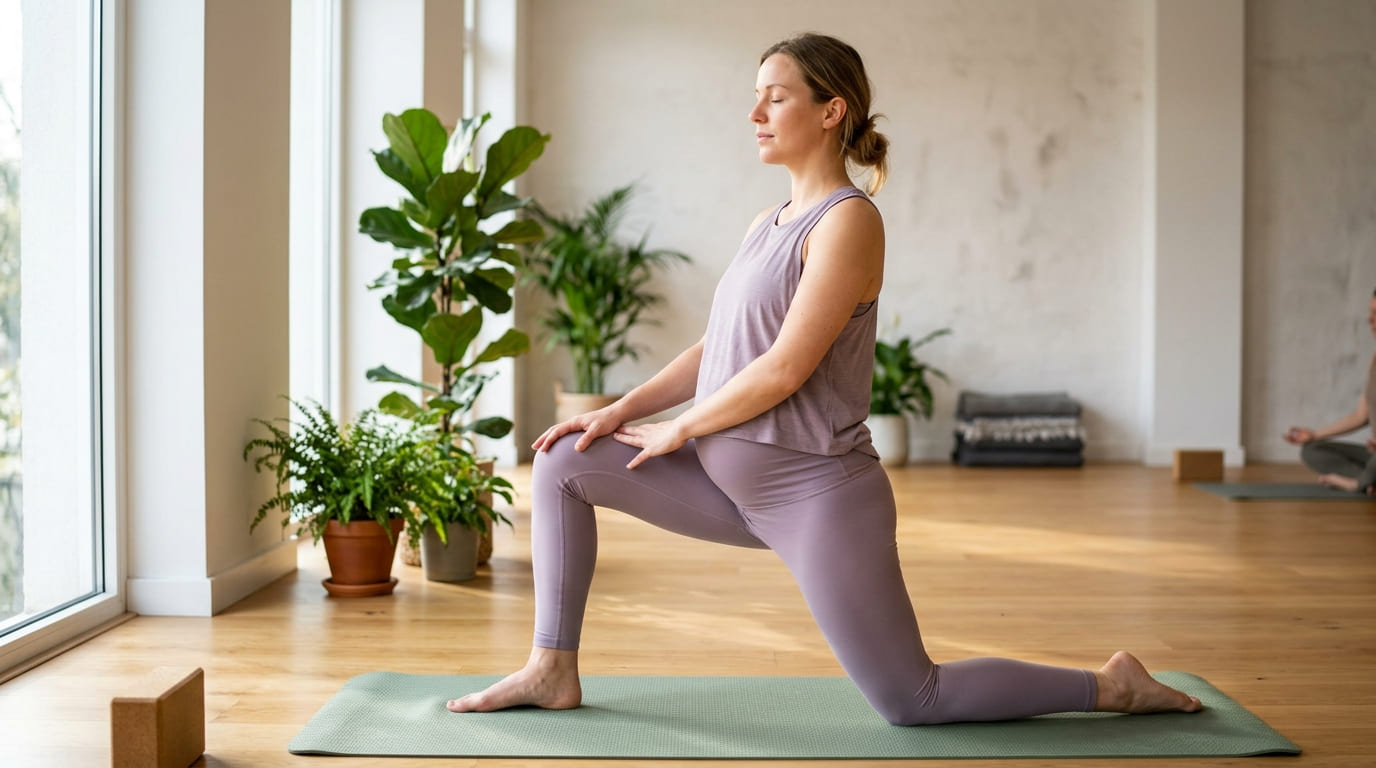
Pregnancy is a transformative journey that demands immense physical and emotional strength. As your body prepares for the monumental task of bringing a new life into the world, yoga offers a beautiful, low-impact way to stay connected, flexible, and grounded. While every birth journey is unique and “normal delivery” is a goal many strive for, the primary focus of prenatal yoga is to help you feel at home in your changing body and prepare your pelvic floor and mindset for the challenges of labor.
In this guide, we explore five foundational yoga poses that can support your comfort during pregnancy and potentially aid in your preparation for a smoother birth experience.
1. Butterfly Pose (Baddha Konasana)
The Butterfly Pose is perhaps one of the most famous prenatal yoga postures, and for good reason. It helps open the hips and improves circulation in the pelvic area, which is vital as you approach the final stages of pregnancy.
- How to do it: Sit on the floor with your feet together, knees dropping comfortably to the sides. Hold your feet and sit tall. Use a wall for back support if needed.
- The Human Touch: Think of this pose as a way to create space in your pelvis. It is a wonderful time to practice deep, rhythmic breathing that you can utilize during labor.
- Connection: This hip-opening practice helps relieve tension often felt in the lower back, similar to the relief provided by the exercises in our guide on 5 Safe Postpartum Exercises to Rebuild Your Core.
2. Cat-Cow Stretch (Marjaryasana-Bitilasana)
This flow is a gentle way to relieve back pain and keep the spine supple, which is often stressed during the third trimester.
- How to do it: Start on all fours. As you inhale, drop your belly and look up (Cow). As you exhale, arch your spine and tuck your chin (Cat).
- Why it works: It encourages the baby into an optimal position for birth and helps alleviate the pressure that often causes discomfort during the later stages of pregnancy.
3. Deep Squat (Malasana)
Squatting is an ancient, natural position for labor. Practicing a modified, supported squat during pregnancy can help strengthen your legs and open your pelvic outlet.
- How to do it: Stand with feet slightly wider than hips. Slowly lower your hips toward the floor. Use a block or a stack of books under your heels if you cannot get them flat.
- Safety Tip: Keep your chest lifted and your breath steady. If you feel dizzy, come out of the pose immediately.
- Internal Link: Building leg strength here will help you navigate the physical demands of early motherhood, which is just as important as managing your baby’s health and checking their Child Development Milestones.
4. Child’s Pose (Balasana) – Wide-Knee Variation
A wide-knee Child’s Pose provides a deep stretch for the hips and lower back while offering a resting position for your mind.
- How to do it: Kneel, touch your big toes together, and separate your knees as wide as your belly needs. Fold forward, resting your forehead on a cushion or the floor.
- The Feel: This is your sanctuary. It is a powerful way to practice “letting go,” a skill that is incredibly useful when you are in the thick of labor.
- Support: As you find peace in this pose, you might reflect on your emotional journey; if you ever feel overwhelmed, remember our resources on Baby Blues vs. Postpartum Depression.
5. Supported Bridge Pose (Setu Bandhasana)
This pose is excellent for stretching the chest and strengthening the glutes, which helps support the pelvis.
- How to do it: Lie on your back, knees bent, feet hip-width apart. Lift your hips gently. Place a block or firm pillow under your sacrum for support.
- Consistency: This gentle inversion can help reduce swelling in the legs, a common pregnancy symptom. As you work on your physical comfort, remember to also plan for the practical side of birth by checking our Ultimate Hospital Bag Checklist for Mom and Baby.
Preparing for Your Birth Journey
Yoga is only one tool in your toolkit. As you near your due date, keeping your mind calm and your body prepared will make a significant difference.
- Understand the Signs: Be aware of your body’s signals by reading our guide on 5 Early Signs of Labor You Shouldn’t Ignore.
- Nourish for Strength: Your body requires energy for birth and recovery. Incorporate nutrient-dense foods to support yourself, especially if you plan to nurse, as discussed in our Top 7 Foods to Naturally Increase Breast Milk Supply.
- Prepare Your Home: Establishing a calm home environment now will help you transition into those first few nights home when you are focusing on How to Get Your Newborn to Sleep at Night.
Frequently Asked Questions (FAQ)
Generally, yes, but always consult your doctor first. In the third trimester, you should avoid poses that require lying flat on your back for extended periods or any deep twists that compress the belly.
No. Yoga is a tool to support your body’s preparation, but birth is a complex process. Focus on the benefits of reduced stress and increased flexibility rather than a specific birth outcome.
Start slow. Look for “Prenatal Yoga” classes specifically designed for expectant mothers to ensure you are practicing safely.
Listen to your body. Holding poses for 30–60 seconds is usually sufficient. Never hold your breath; your breath should remain slow and steady throughout.
Conclusion: You Are Prepared
Your pregnancy is a unique period of growth. By practicing these poses, you are not just preparing your body for birth; you are creating time to connect with your baby and cultivate a sense of inner peace. Remember that the best preparation for birth is trusting in your body’s innate wisdom. You are strong, you are capable, and you are doing a magnificent job preparing for the most beautiful meeting of your life. Keep breathing, keep moving mindfully, and celebrate every step of this journey.

6 Comments