
The first six months of parenting fly by in a blur of milk feeds, diaper changes, and sleepless nights. Then, suddenly, your baby is sitting up, grabbing at your spoon, and watching every bite you take with intense curiosity. That’s the “Magic Milestone”—it’s time to start solids! As a parent, this transition can feel both exciting and overwhelming. Should you start with purees? What about Baby-Led Weaning (BLW)? Is my baby actually ready? In this comprehensive guide, we are cutting through the confusion to help you navigate this milestone with confidence.
Is Your Baby Ready? (The Signs)
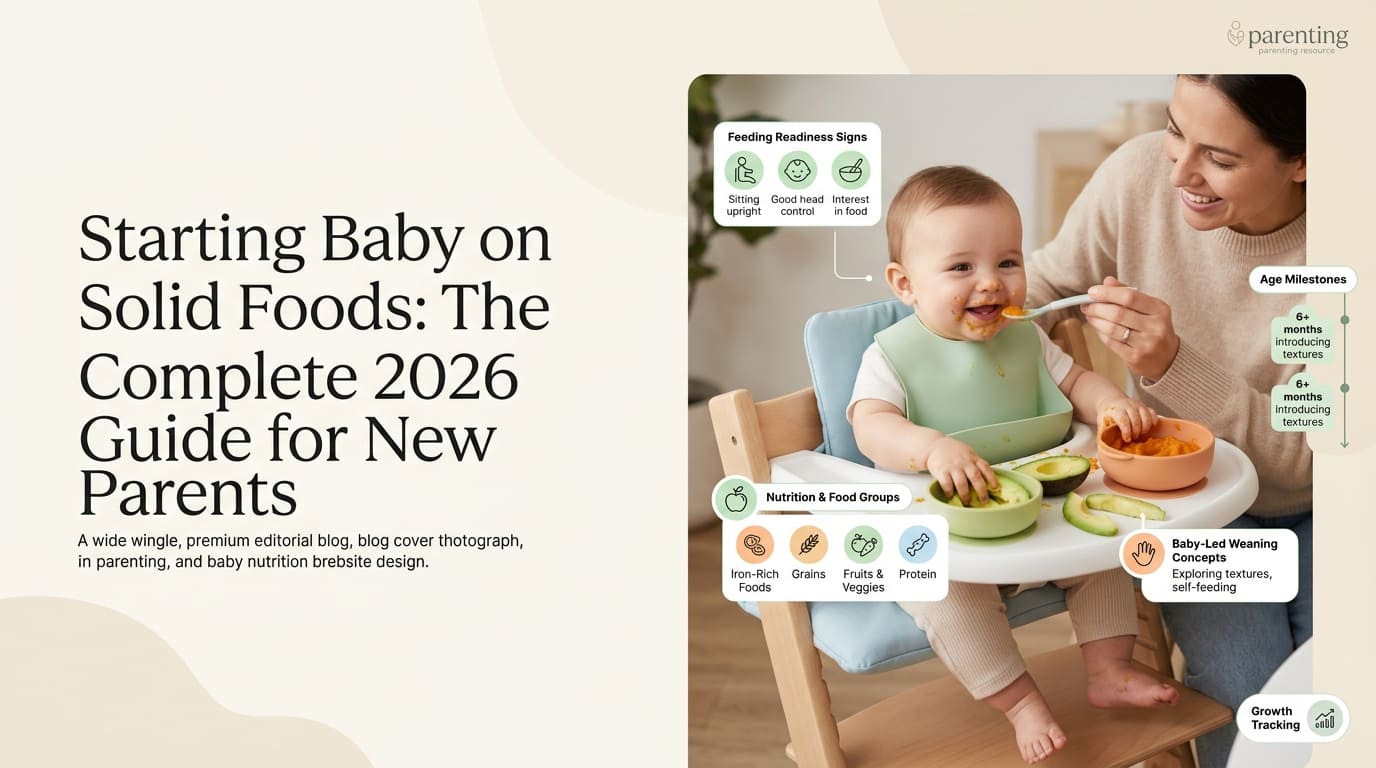
Many parents make the mistake of looking at the calendar rather than the baby. While the World Health Organization recommends starting solids around six months, every child develops at a different pace. Look for these four key signs:
- Sitting Up: Your baby can sit with minimal support and has good head and neck control.
- Loss of Tongue-Thrust: The natural reflex that pushes food out of their mouth has faded.
- Curiosity: Your baby actively watches you eat, reaches for your plate, or mimics chewing motions.
- Pincer Grasp: While not strictly necessary for day one, showing an interest in picking up small objects is a great sign of motor skill readiness.
The Big Debate: Purees vs. Baby-Led Weaning (BLW)
There is no “right” way—only the way that works for your family.
- Purees: Using a spoon to feed smooth, blended textures. It’s excellent for ensuring the baby eats a specific amount and can be less messy.
- Baby-Led Weaning (BLW): Allowing the baby to feed themselves soft, finger-sized pieces of whole food. This is fantastic for fine motor skills and helps babies learn to regulate their own hunger cues early on.
Pro-Tip: Many modern parents use a “combo approach,” offering both purees during lunch and soft, safe finger foods during dinner.
Best First Foods: Where to Start?
Your goal in the first few weeks is not caloric intake; it’s texture and flavor exploration.
- Avocado: Nature’s perfect baby food. It’s rich in healthy fats and naturally creamy.
- Sweet Potato: Steamed and mashed, it’s sweet, nutrient-dense, and gentle on the stomach.
- Iron-Fortified Cereals: Essential for brain development, especially if you are exclusively breastfeeding.
- Lentils & Beans: Well-cooked and mashed, these provide vital plant-based protein.
The 3-Day Rule: Introduce one new food every three days. This helps you monitor for any potential allergic reactions like rashes or digestive distress.
Foods to Strictly Avoid (Safety First)
Safety is non-negotiable. Please keep these items off the menu until at least 12 months:
- Honey: Risk of botulism (a serious type of food poisoning).
- Whole Nuts/Grapes: High choking hazards. Always chop grapes into quarters.
- Salt and Sugar: Your baby’s kidneys are still developing; they don’t need the extra burden.
- Unpasteurized Dairy: Always stick to pasteurized products to avoid harmful bacteria.
Managing Allergens: Don’t Be Afraid
Older advice suggested waiting years to introduce allergens. New research suggests that introducing common allergens like peanuts, eggs, and dairy early (around 6-8 months) can actually help reduce the risk of developing allergies. Discuss this with your pediatrician to create a plan that fits your family’s health history.
Frequently Asked Questions (FAQs)
Q: Should I start with iron-fortified cereal? A: Many pediatricians recommend it because breast milk-fed babies need extra iron after 6 months. However, it is not the only option; protein-rich foods like lentils are also excellent.
Q: How much should my baby eat initially? A: Start with just a teaspoon or two. Remember, they are still getting most of their nutrition from breast milk or formula. Their primary goal right now is simply to “practice” eating.
Q: Can my baby drink water now? A: Yes! You can introduce small sips of water in a straw cup or open cup with meals to help with digestion and hydration.
Conclusion
Starting your baby on solids is one of the most rewarding milestones. There will be mess, there will be “yucky” faces, and there will be times when they refuse everything you offer. That is all part of the journey. Keep it low-pressure, keep it fun, and enjoy watching your little one discover the world of food!

28 Comments